When Is the Best Time to Sell Your Big Bear Lake Home?
Seller Guide · Timing Strategy
Quick Answer
When is the best time to sell a home in Big Bear Lake, CA?
The best time to list your Big Bear Lake home is late January through March — early enough to reach both ski season buyers and the wave of summer buyers planning to close before June. In the current 2026 market, where median days on market runs 80 to 116 days, you need to list earlier than you think to hit your target closing window. Big Bear’s dual-peak calendar — ski season and summer — makes timing strategy here fundamentally different from the rest of California.
By Rachael Smith-Meadors · May 21, 2026 · Broker Associate, RE/MAX Big Bear
Most sellers ask me this question in some version of the same way: “Should I list in spring, like everyone says?” For most of California, the answer is yes. Spring buyer demand is real. But Big Bear Lake doesn’t follow the same rules as the Inland Empire or the suburbs of Los Angeles.
Big Bear is a resort market. It runs on two completely different buyer cycles — ski season and summer — and if you don’t understand both, you can end up listing at the wrong time for your specific property, sitting longer than you should, and negotiating from a weaker position.
Here’s how I think about timing with every seller I work with in Big Bear.
Two Peaks, Not One
Most California markets have a single strong period — spring — and then buyer activity tapers into late summer and fall. Big Bear has two distinct windows, and knowing which one fits your property changes everything about your listing strategy.
Peak One: The Ski Season Window (December–March)
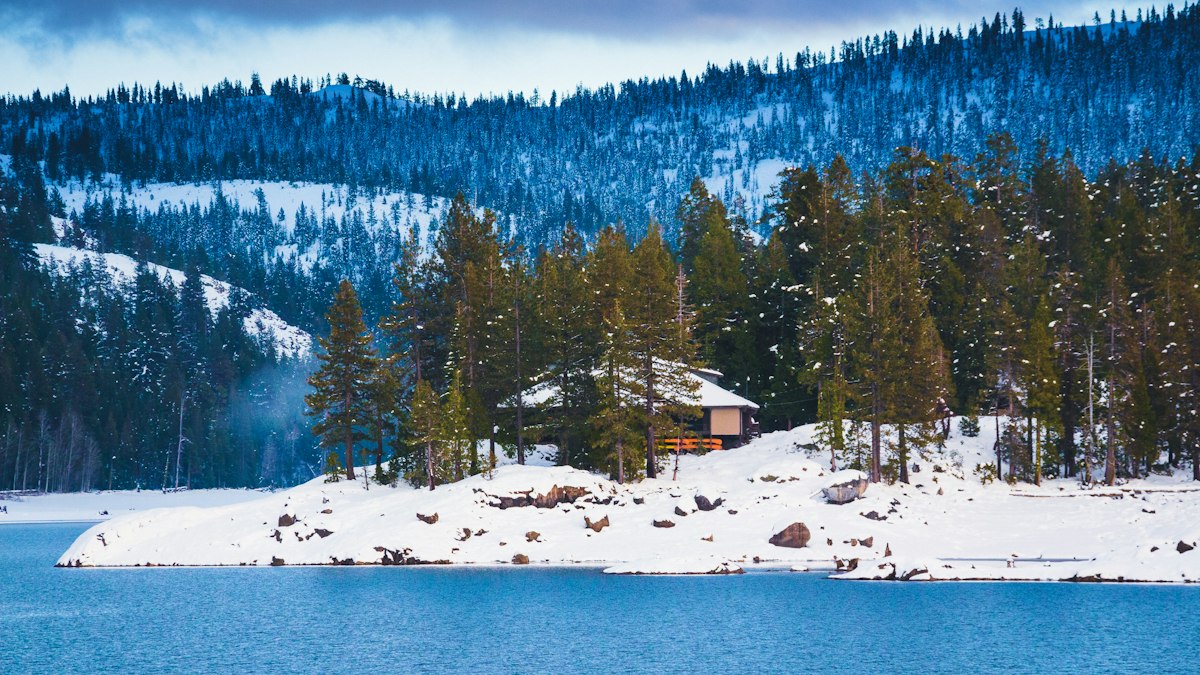
From December through March, Big Bear turns into one of the most visited mountain destinations in Southern California. Bear Mountain and Snow Summit pull hundreds of thousands of visitors every winter, and a meaningful percentage of them leave with real estate on their minds.
They ski all weekend, fall in love with Moonridge or Boulder Bay, and start searching on the drive home. Buyer activity picks up in January and February even as the rest of California slows down after the holidays. This isn’t browsing traffic — it’s the “I’ve been renting a cabin for five years and I finally want to own one” crowd making a real decision.
This window comes with constraints. Heavy snow makes properties harder to show. Buyers from the LA basin sometimes won’t drive Highway 18 when chain control is in effect. The buyer pool is smaller than the summer wave. But if your property photographs beautifully in snow, commands mountain views, or sits near the ski resorts, this is your audience — and they’re emotionally primed.
Peak Two: The Pre-Summer Window (February–June)
This is the stronger of the two peaks, and the one most sellers should plan around.
Summer buyers — people who want the cabin for boating season, lake weekends, hiking, and afternoons in The Village — start searching in earnest in February and March. They want to close and be in the home by Memorial Day weekend. If you list in late January or February, you’re directly in front of this group when their motivation is highest.
March 2026 saw 29 homes sold in Big Bear Lake, up from 20 in March 2025 — a solid jump even in a market that’s been cooling. That spring pulse is real. Properties in Fox Farm, Sugarloaf, and lakefront neighborhoods like Fawnskin and Boulder Bay all see heightened buyer attention during this window.

What the 2026 Market Means for Your Listing Plan
Up from 71–101 days a year ago — and it changes your math
Here’s where a lot of sellers get caught off guard right now.
In 2021 and 2022, homes in Big Bear went under contract in days. You could list in April and close by May. That’s not today’s market. The median days on market in Q1 2026 was approximately 81 days — and at many price points and in slower neighborhoods, you’re looking at 100 to 120 days or more. Add a California escrow of 30 to 45 days, and you’re looking at four to five months from list date to close.
That math matters. If you want to close before summer, you don’t list in April. You list in January or February.
Right now, Big Bear has roughly 8 to 9 months of inventory — a buyer-favorable market. Homes are closing at approximately 96.5% of list price on average. Sellers who price accurately from launch are moving. Sellers pricing on 2022 peak comps are sitting for six months and eventually making deeper cuts than a realistic starting price would have required.
If you want to understand where your home actually stands in today’s market, that’s the most important conversation to have before you commit to any timeline. You can also get context on whether now is the right time to sell based on current conditions — but timing and pricing work together, not in isolation.
The October Window: Planning Ahead for Ski Season
If your property is in Moonridge, near Bear Mountain, or positioned primarily as a ski cabin, you have a second listing window that most sellers overlook: October and November.
Ski season buyers start shopping before Thanksgiving. When Bear Mountain announces its opening dates, when early snowpack forecasts look good, and when buyers are planning their holiday ski trips — they’re also scanning what’s available. A buyer who falls in love with a Moonridge cabin in November wants to be in the home by Christmas week. Those buyers are serious and on a firm timeline.
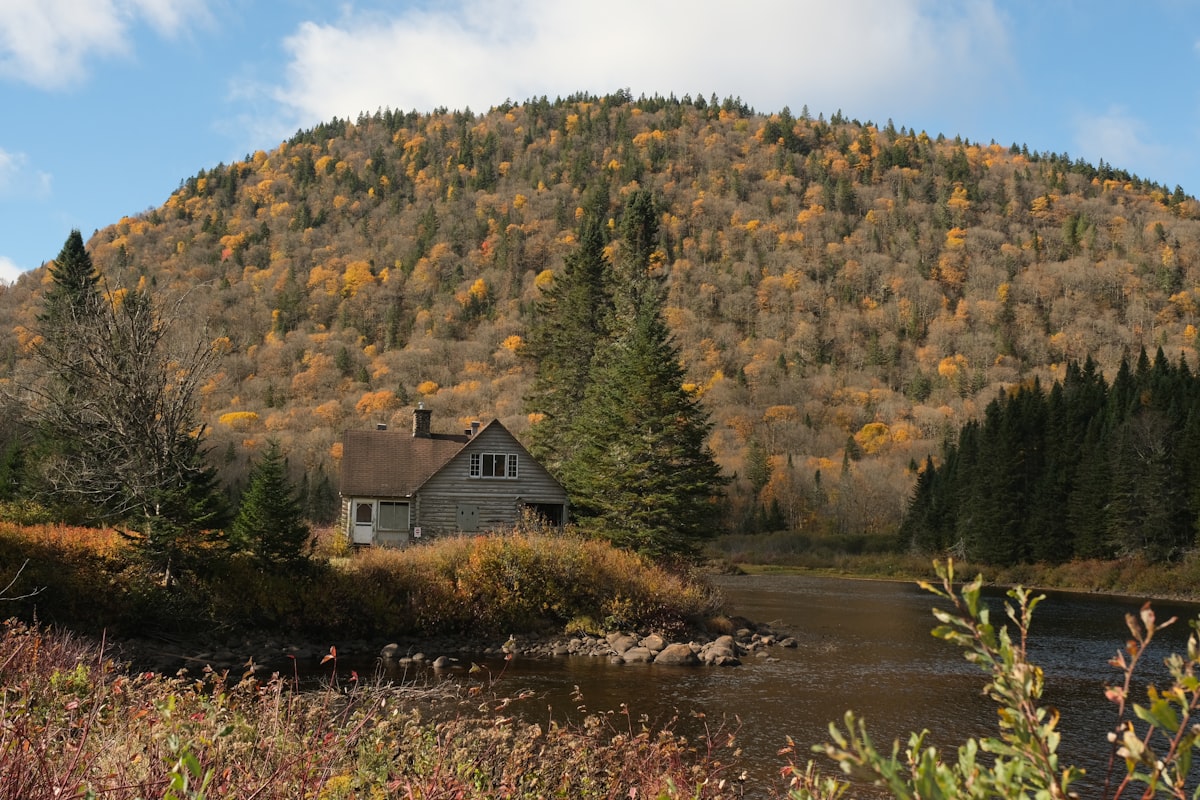
This window is shorter and the buyer pool is smaller than the spring rush. But if your property photographs well in fall color, commands ski run views, and generates strong STR revenue from peak winter weeks, October is worth serious consideration. Properties with solid mountain-specific disclosures in order — snow load certifications, fire clearance, defensible space — also show better when buyers can evaluate winter readiness before the season starts.
When Not to List
Two windows I generally steer sellers away from:
Deep winter (mid-January through mid-February): The weeks around New Year’s are typically slow for showings. Chain control on Highway 18 keeps buyers away. Property photography is harder. If you can wait four to six weeks into February, you’ll hit the spring surge with better conditions, better photos, and a more motivated buyer pool.
Late summer (August): By mid-August, buyers who wanted to purchase for the season already have their plans set. Buyer attention shifts, and new listings walk into a quieter period just as the fall lull begins. You may end up sitting until the October window or until the following spring. If you’ve been listed since spring and you’re still on the market in August, the answer is almost never “wait for spring.” It’s re-evaluate your price.
Your Property Type Changes the Answer
The “best time” isn’t uniform across Big Bear. Here’s how I think about it by property type:
- Lakefront or lake-view properties in Boulder Bay or Fawnskin — spring and early summer are your season. These sell to buyers who picture themselves on the water, and that emotion peaks before June.
- Ski-adjacent cabins near Moonridge or Bear Mountain — February–March for the ski crowd actively searching, October for buyers planning ahead for the next season.
- STR-focused investment properties in Fox Farm or Sugarloaf — investor buyers think in annual revenue rather than seasonal emotion. They can show up any month. But spring remains the most active window even for this buyer type.
- Larger SFR or primary-residence-style homes in Big Bear City or Castle Glen — these buyers often operate on life changes: relocations, growing families, a decision to make Big Bear their full-time home. Condition and pricing matter more than timing for this group.
Knowing which category your property falls into — and who the most likely buyer is — shapes when I’d recommend listing and how we’d position it. You should also have a clear picture of what it actually costs to sell a home in Big Bear Lake so the net proceeds math is clear before you commit to any timeline.
Frequently Asked Questions
Is spring the best time to sell a home in Big Bear Lake?
Spring — specifically February through May — is generally the strongest selling window in Big Bear Lake, when both ski season buyers and summer buyers are actively in the market. Data from 2025 and 2026 shows the biggest month-over-month sales volume jumps occurring in March. But given current days on market of 80 to 116 days, sellers need to list early in the year to actually close before summer.
How does ski season affect Big Bear real estate sales?
Ski season drives meaningful buyer activity from December through March. Visitors who fall in love with Big Bear while skiing often turn into buyers during that trip or in the weeks after. Properties near Bear Mountain and Snow Summit see particular demand during this window. Heavy snow conditions can make showings harder, so the buyer pool is real but smaller than the pre-summer rush.
How long does it take to sell a home in Big Bear Lake in 2026?
As of spring 2026, the median days on market in Big Bear Lake is approximately 81 to 116 days — up from 71 to 101 days the prior year. With inventory at 8 to 9 months of supply, well-priced properties are moving, but sellers should plan for a longer timeline than 2021–2022 suggested. Add 30 to 45 days for California escrow, and budget four to five months from listing to close.
Should I wait until summer to list my Big Bear cabin?
Listing in summer typically means fewer active buyers for your specific time frame. Summer buyers who wanted to purchase for the season are already in the market by March and April — they’re not starting fresh searches in July. If you miss the spring window, the next best option is October, targeting ski season buyers who want to be in before December. Late summer listings often sit into fall or winter.
What is the current sale-to-list price ratio in Big Bear Lake?
As of spring 2026, homes in Big Bear Lake are selling at approximately 96.5% of list price on average. Sellers who price at a realistic market value are closing within about 3.5% of asking. Overpricing at launch leads to longer days on market and often results in deeper eventual price cuts than a well-calibrated starting price would have required.
Know Your Window Before You Commit
Selling in Big Bear Lake means understanding a market that runs by its own rules — two peak seasons, longer days on market in 2026, and a buyer pool that responds differently depending on your property’s location and type. If you’re thinking through a sale this year or next, I’m happy to walk you through what the numbers look like for your specific situation and build a realistic timeline.
Call or text me at 909.744.2190 · buyinbigbearlake.com
About Rachael Smith-Meadors
Rachael Smith-Meadors is a Broker Associate with RE/MAX Big Bear, serving buyers, sellers, and STR investors across Big Bear Lake and the surrounding mountain communities. With 10+ years in the business and a YouTube channel followed by 160,000+ people researching the market, she helps clients understand what’s actually happening in Big Bear before they buy, sell, or list. Connect with her at buyinbigbearlake.com.


Comments
Post a Comment